Do Pelican Cases Keep Moisture Out? A Condensation and Return-to-Storage Guide
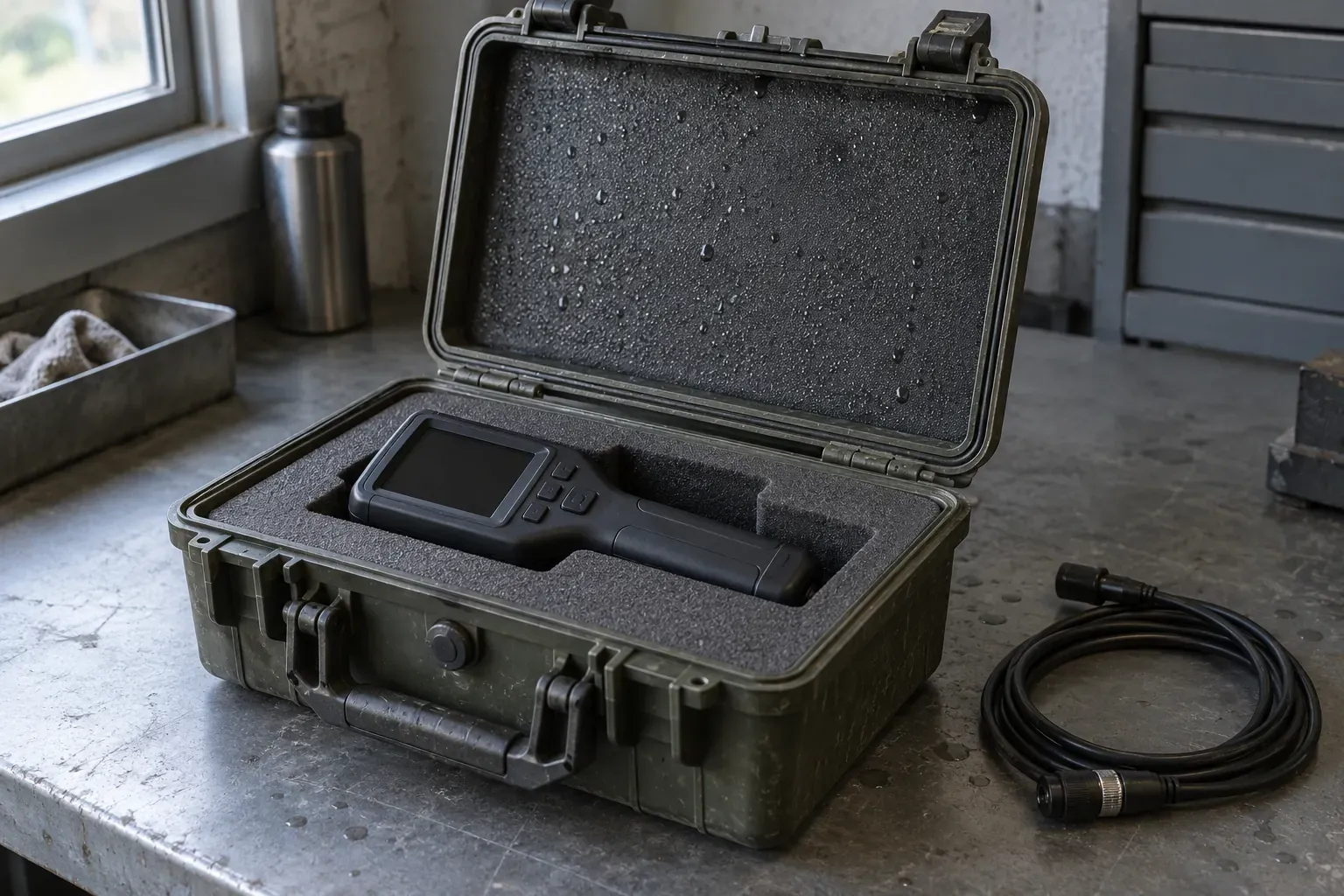
A wet case at handover can leave the next crew with equipment whose condition is unresolved. A watertight case does not dry the equipment packed inside it. Start by recording what is wet and what happened before opening the case, then follow the relevant equipment, insert and accessory instructions.
This page addresses internal moisture after field use or storage. For a new purchase, the waterproof equipment-case checklist covers model-specific protection evidence and seals. The equipment cases and protection hub connects those checks to transport and maintenance.
Do Pelican cases keep moisture out?
They provide the water protection documented for the particular case and its condition; that is a different question from whether the interior stays dry. In its airtightness explanation, Pelican says Protector and Air pressure valves permit airflow while repelling water. Its 1500D accessory page separately describes silica gel for moisture absorption and condensation control. These statements do not establish a controlled internal humidity for your packed kit.
Keep the first observation separate from the explanation:
Scroll horizontally to see all columns.
| What you notice | What to record first | What remains unresolved |
|---|---|---|
| Droplets on the inside lid | Location, photographs, last opening and temperature transition | Condensation, carried-in water or ingress |
| Damp equipment, leads or straps | Which items were packed damp; exposure and handling history | Whether the case itself leaked |
| Moisture beneath the insert | Condition of the underside and case base | Source, extent and suitable drying procedure |
| Water near a seal or closure | Exposure, closure state and visible debris or damage | Whether service or an approved test is needed |
| A desiccant indicator has changed | Accessory identity and its own indicator instructions | Meaning, remaining capacity and next action |
These are investigation prompts, not a diagnostic test. A photograph of droplets cannot distinguish every possible source, and a dry-looking lid cannot establish the condition beneath an insert.
Why can condensation form inside a closed case?
The National Weather Service explanation of humidity and dewpoint says relative humidity changes with temperature and defines dewpoint as the temperature at which cooling air becomes saturated. Applied to a case, humid air already inside can reach saturation as it cools. Condensation therefore does not, by itself, prove that rain entered through a defective seal.
Consider the sequence rather than guessing from the final appearance. Was the case opened in humid air and then left somewhere cooler? Did cold equipment meet warmer humid air when unpacked? Were wet leads, straps or an insert put back with otherwise dry equipment? These questions identify conditions to record; they do not identify the cause without further evidence.
If you use a humidity meter or logger, record the temperature, sensor location, time and whether the lid was open with each reading. A single percentage without that context is hard to interpret. Take any permissible storage range from the equipment documentation. This guide supplies no universal relative-humidity target.
Does the pressure valve remove humidity?
Do not treat a pressure-equalization valve as a dehumidifier. Pelican’s explanation concerns pressure balancing and airflow; it does not specify a drying rate or a target humidity. Nor does it identify the valve as the source of moisture in an individual case. Leave valve troubleshooting and replacement to the instructions and service route for the exact model. Blocking a valve, drilling the shell or changing its membrane is outside this workflow.
What should the team do when a damp case returns?
Use the following as an editorial handover workflow, with the manufacturers’ instructions controlling the actual cleaning, drying and return to use.
- Record the untouched condition. Note the case and equipment IDs, exposure, last opening, storage location and discovery time. Photograph droplets, pooled water and visible seal or closure damage before wiping away the evidence.
- Separate the items for inspection where their instructions allow. Identify wet equipment, loose accessories and removable inserts individually. Check the case base and the underside of a removable insert rather than inspecting only the exposed top. Do not dismantle equipment to search for moisture.
- Find the applicable care instructions. Record the permitted cleaning and drying method for the equipment, insert and case. Do not assume a method acceptable for an empty shell is acceptable for a packed electronic instrument.
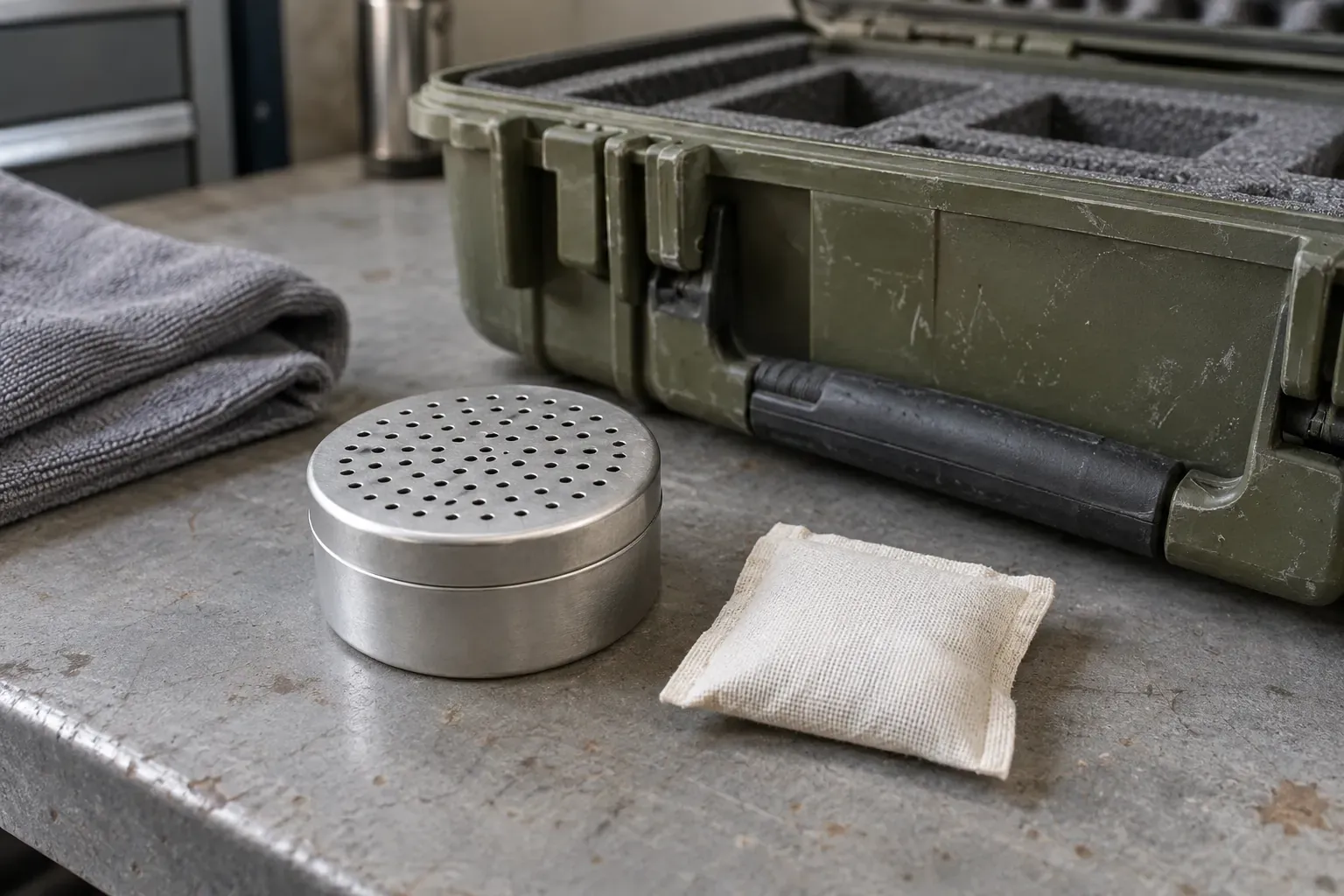
- Resolve the moisture-control accessory. Identify its model, instructions and current condition. Confirm placement and whether the specified action is replacement or regeneration; do not borrow settings from another product.
- Assign the next check. Record who will inspect again, when that check is due, and what documented condition must be met before storage or redeployment. If the instruction or condition is unknown, leave it unresolved and obtain the manufacturer’s response.
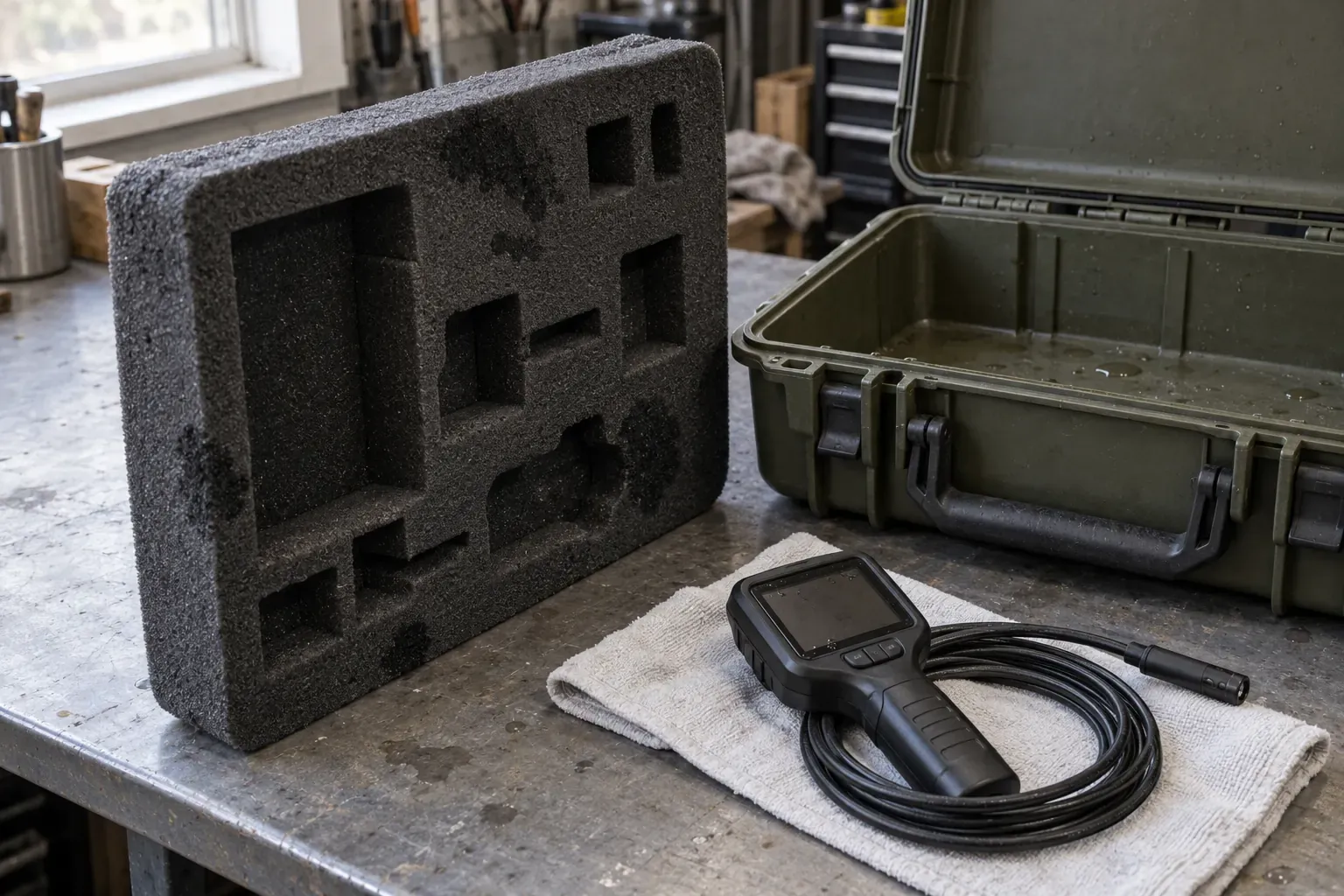
The hard-case foam and transport guide explains how to identify the insert and its layout. Use that component record here: an unknown insert material needs its own care information. Appearance alone does not establish compatibility with heat, cleaners or a proposed drying method.
What do the desiccant instructions actually establish?
Pelican describes the 1500D’s intended moisture-control purpose. The opened product description does not establish a universal quantity, replacement schedule, regeneration temperature or guaranteed internal humidity. Treat those as missing instructions to resolve for the accessory and kit in front of you.
Scroll horizontally to see all columns.
| Instruction field | Entry before confirmation |
|---|---|
| Accessory identity and instruction revision | Unknown / verify on the unit |
| Compatible case and permitted placement | Unknown / verify in the accessory instructions |
| Quantity for this packed configuration | Unknown / obtain applicable guidance |
| Indicator meaning, if fitted | Unknown / check this accessory’s instructions |
| Replacement or regeneration trigger | Unknown / obtain applicable guidance |
| Regeneration method, if permitted | Unknown / do not invent temperature or duration |
| Equipment storage conditions | Copy from the equipment documentation |
Adding a moisture-control accessory does not settle a suspected leak or document that wet equipment has recovered. Keep the accessory action and the case-service question as separate entries. Repeated moisture warrants reviewing the whole return record rather than repeatedly adding an unspecified number of packets.
Equipment-case moisture return record
Copy this table or download the blank CSV below. The record describes observations and responsibility; completing it does not certify dryness or equipment performance. Leave unmeasured values blank and use “unknown” for a history the team cannot confirm.
Scroll horizontally to see all columns.
| Record field | What belongs in it |
|---|---|
| Case / equipment identification | Exact model and local asset IDs; insert identity |
| Return and discovery | Time, place, observer and photographs |
| Exposure / environmental change | Known rain, washing, transport and warm/cold transitions |
| Last opening / packed condition | Where opened; equipment and accessories dry, damp or unknown |
| Moisture location | Lid, walls, base, beneath insert, equipment or loose items |
| Measurements, if taken | Temperature and humidity with sensor position, time and lid state |
| Visible closure / seal condition | Debris, damage and closure observations; no assumed leak diagnosis |
| Accessory / instruction | Identity, document revision, indicator meaning and specified action |
| Care action | Applicable instruction and what was actually done |
| Next check / owner | Named person, due time and documented acceptance condition |
| Outcome / service reference | Observed result, outstanding question and manufacturer response |
For repeated events, keep the previous record and compare the packing condition, environmental transition and moisture location. Use the equipment maintenance planning guide to assign follow-up ownership. Set the timing from the applicable instructions and the unresolved condition rather than adopting an arbitrary interval from this article.
When does the case need a manufacturer assessment?
Seek model-specific guidance when moisture recurs after the prescribed care steps, visible seals or closures are damaged, or the equipment’s recovery condition is unclear. Send the case identity, insert and accessory information, photographs and event sequence. Ask which inspection or test is appropriate, whether parts need service, and what confirms return to use.
There is no need to decide in advance that the valve failed or the shell leaked. Describe the observation and request the applicable procedure. This guide does not authorize immersion tests with valuable equipment inside, promise mold prevention or establish that a desiccant can recover water-damaged electronics.
Method and limits
This is a research-based guide using Pelican’s public accessory and valve descriptions and the National Weather Service’s humidity explanation. The return record is our editorial workflow, not a manufacturer service bulletin. We have not tested a case or accessory. Exact model protection, insert care, accessory settings and equipment storage requirements must be checked against the documents for the actual kit.
Downloads
- Equipment-case moisture return record (CSV) CSV Blank observation, instruction and responsibility fields; no preset humidity or drying limits.
Sources and versions
- 1500D Accessory , Pelican Supports: Manufacturer description of silica gel for moisture absorption and condensation control; no dose or regeneration settings adopted.
- Are Pelican Cases Airtight? 5 Facts You Should Know , Pelican Supports: Manufacturer explanation of airflow and water-repelling pressure valves on Protector and Air cases; no universal model rating adopted.
- A Discussion of Water Vapor, Humidity, and Dewpoint , National Weather Service, Louisville Supports: Temperature dependence of relative humidity and the definition of dewpoint.
Next steps
Choosing a Waterproof Equipment Case: A Procurement Checklist
A procurement checklist for waterproof equipment cases: dimensions, seals, latches, valves, rating claims, test report scope, spares and maintenance documents.
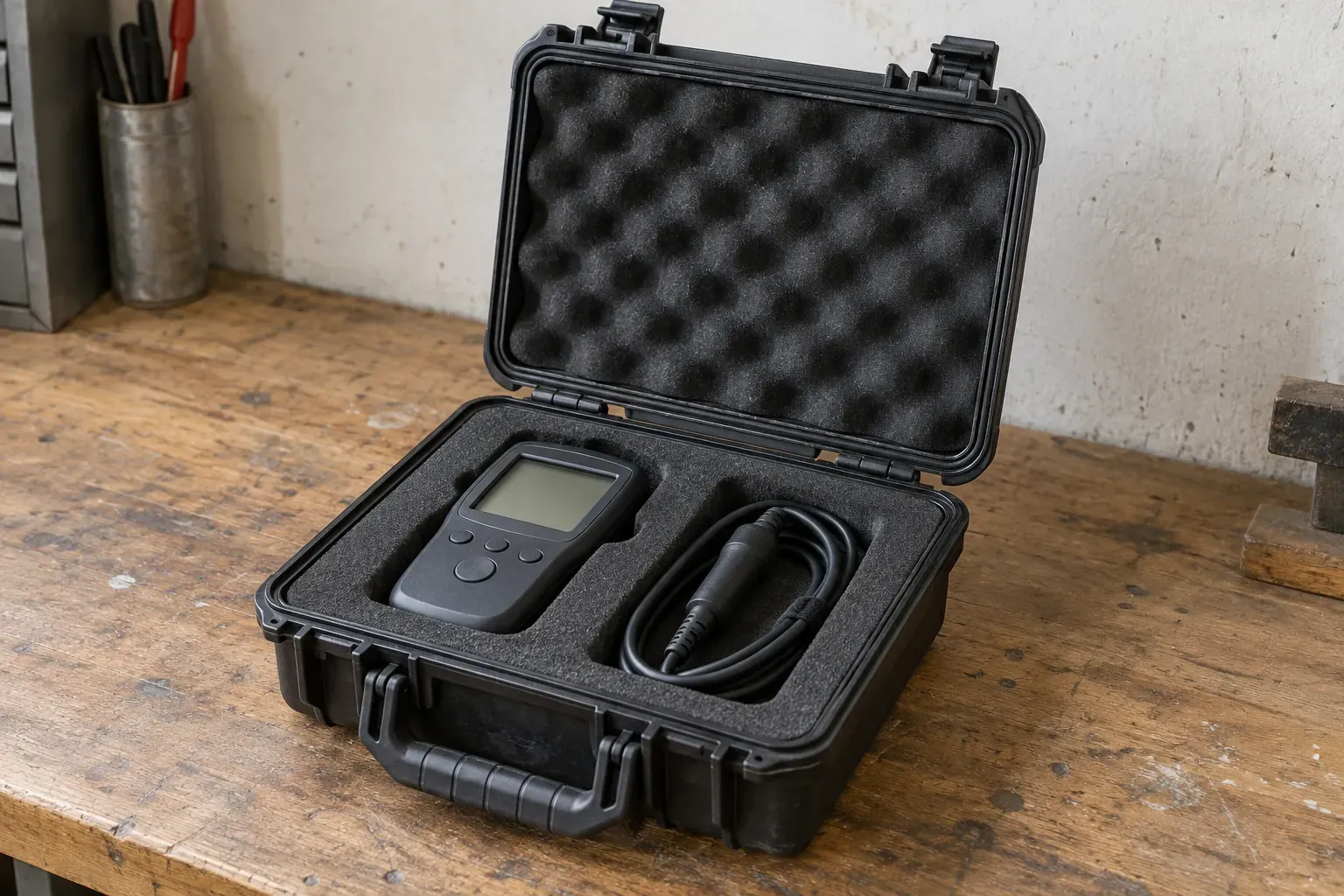
Specifying Hard Equipment Cases: Foam, Wheels and Transport
Specify a hard equipment case by interior fit, foam layout, loaded handling and shipping requirements, with documented dimensions and a receiving checklist.
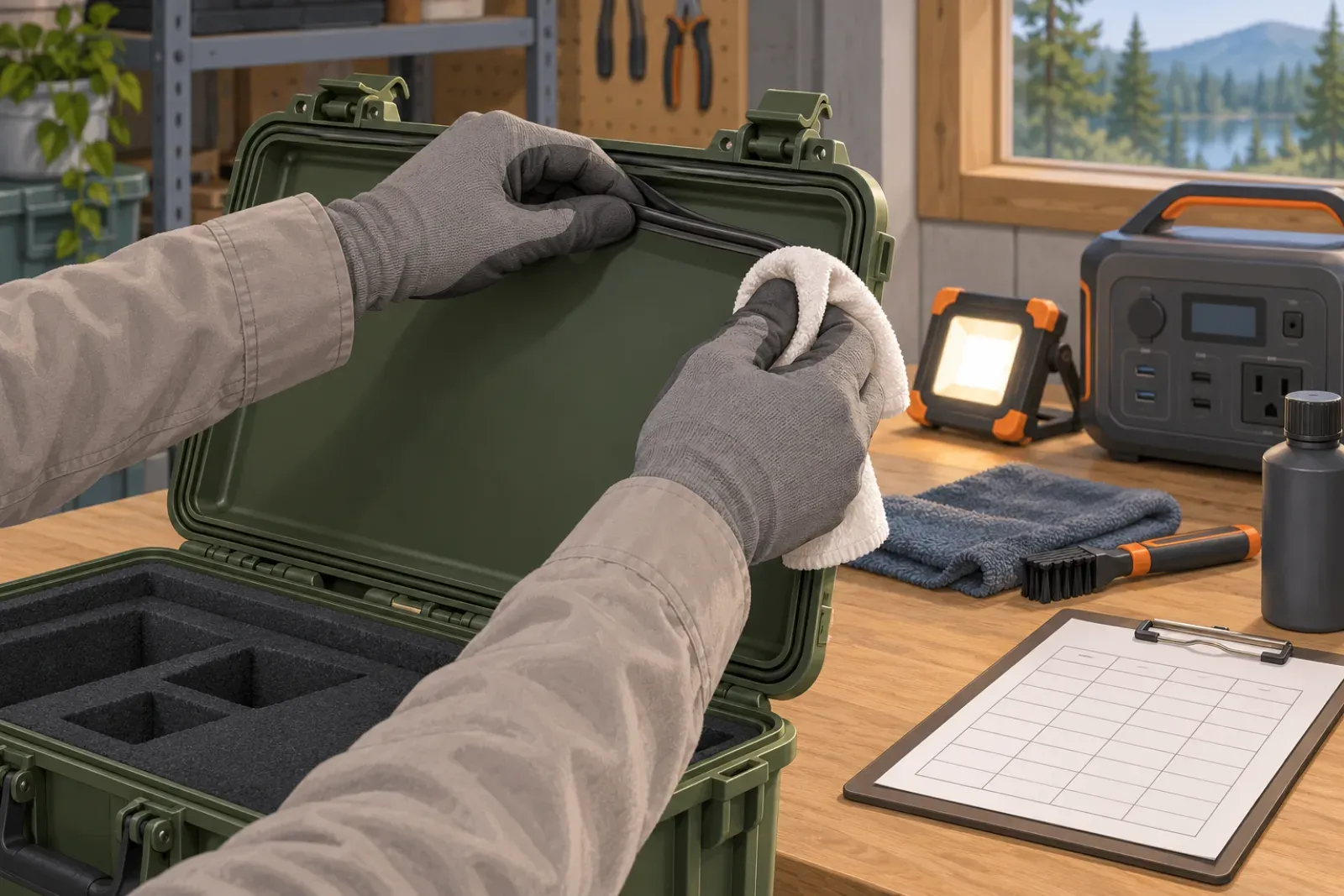
Outdoor Equipment Maintenance: Building a Practical Schedule
Build an outdoor equipment maintenance schedule from model manuals: equipment register, trigger types, task types, roles, records, and a downloadable template.